
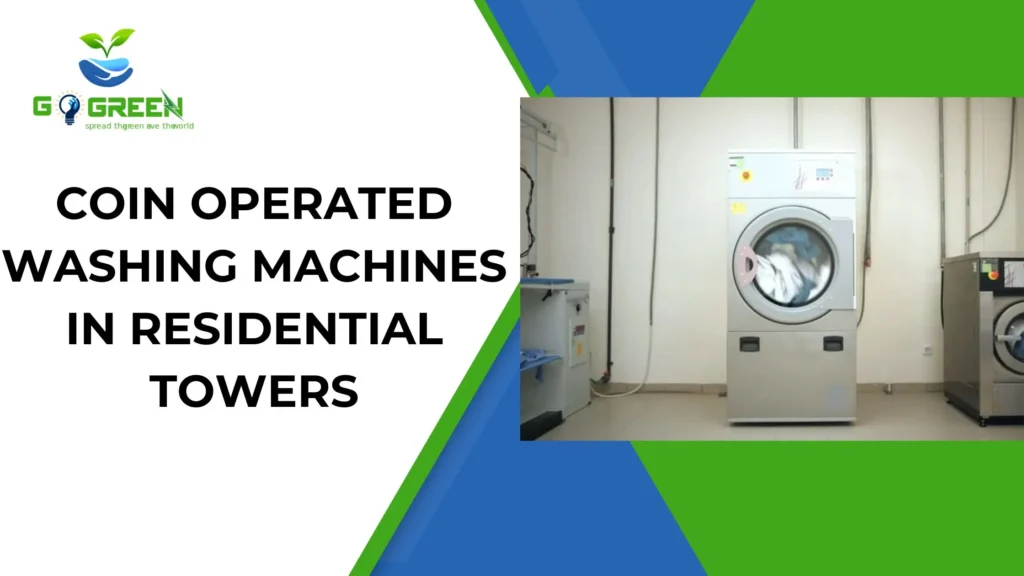
Managing laundry facilities in residential towers is more challenging than many property owners initially expect. A poorly managed laundry room often leads to long waiting times, high maintenance costs, excessive consumption of water and electricity, equipment misuse, and resident complaints. These issues become even more noticeable in large apartment buildings in Dubai, where hundreds of residents depend on shared amenities every day.
As residential developments continue to grow across Dubai and the wider UAE, building owners are looking for practical ways to improve operational efficiency without increasing staffing requirements. This is where Coin Operated Washing Machines in Residential Towers provide a reliable solution. Instead of offering free laundry facilities that are difficult to monitor, property owners can introduce a controlled, self-service system that benefits both residents and management.
A modern coin operated washing machine allows users to pay only for the wash cycle they use while helping building managers recover utility costs and reduce unnecessary usage. Combined with commercial-grade dryer units and secure payment technology, these systems create an organized and convenient laundry experience.
In this guide, you’ll learn:
- How coin-operated laundry systems work
- Why they are ideal for residential towers
- Financial and operational benefits
- Best installation practices
- Common mistakes to avoid
- How to choose the right supplier in Dubai
Whether you manage luxury apartments, affordable housing, student housing, staff accommodation, or mixed-use residential developments, this guide will help you make an informed investment.
What are Coin Operated Washing Machines in Residential Towers?
Coin Operated Washing Machines in Residential Towers are commercial laundry machines installed in shared laundry areas where residents pay per wash using coins or other payment methods. They help property owners control utility costs, reduce machine misuse, improve maintenance, and provide residents with a convenient self-service laundry experience.
Unlike household appliances, these systems are designed for heavy daily use and can operate multiple times a day while maintaining consistent performance.
Why Residential Towers Need Better Laundry Management
Residential towers typically house dozens or even hundreds of families. When laundry facilities are unmanaged, problems accumulate quickly.
Common challenges include:
- Machines running continuously without supervision
- Higher water bills
- Increased electricity consumption
- Residents leaving clothes inside machines
- Frequent equipment breakdowns
- Difficulty tracking maintenance costs
- Disputes over machine availability
These problems become even more expensive in high-density Dubai apartments, where shared amenities directly influence tenant satisfaction.
Installing a structured coin-operated laundry system introduces accountability because every wash has a measurable cost, encouraging responsible use.
What Is a Coin Operated Laundry System?
A coin-operated laundry system is a commercial laundry setup where residents pay to use each washing machine or washer and dryer through a secure payment mechanism.
Although traditional systems use coins, many modern installations also support:
- Smart cards
- RFID access
- QR code payments
- Mobile payment apps
- Cashless payment terminals
Most systems include:
- Commercial washer
- Commercial dryer
- Secure coin acceptor
- Digital control panel
- Usage counter
- Centralized management options
For larger buildings, managers often install multiple machines to serve different resident groups efficiently.
Why Coin Operated Washing Machines Are Ideal for Residential Towers
They Encourage Responsible Usage
One of the biggest issues with free laundry facilities is unnecessary usage.
Residents may:
- Wash very small loads
- Run repeated cycles
- Leave machines occupied after washing
- Wash heavily soiled commercial items
When users pay per cycle, they naturally become more conscious about how they use the machines.
This simple change helps systems reduce misuse without requiring staff supervision.
They Help Recover Operating Costs
Running a shared laundry facility isn’t free.
Property owners pay for:
- Water
- Electricity
- Maintenance
- Cleaning
- Replacement parts
- Repairs
Instead of absorbing these recurring expenses, a coin operated washing setup allows buildings to recover a significant portion of operational costs through user payments.
This makes it a practical cost-effective laundry solution for residential developments.
They Reduce Utility Waste
Commercial machines are engineered to optimize every wash cycle.
Compared to older domestic appliances, modern commercial units offer:
- Lower water usage
- Faster washing
- Better extraction speeds
- Reduced drying time
As a result, they help reduce water and electricity consumption while maintaining excellent cleaning performance.
Built for Heavy Daily Use
Residential towers often process hundreds of laundry loads every week.
Domestic appliances struggle under continuous operation.
Commercial equipment is built for commercial use, meaning it is specifically engineered to withstand constant usage throughout the day.
Many commercial machines comfortably handle operation multiple times a day without experiencing the wear common in household appliances.
How Coin Operated Washing Machines Improve Laundry Management
Better Machine Availability
When residents value every paid cycle, machines become available more quickly.
This reduces:
- Waiting times
- Queue disputes
- Extended occupancy
- Idle machines
The result is a smoother experience for everyone using the shared laundry rooms.
Easier Budget Planning
Property managers gain predictable operating expenses.
Instead of unexpected maintenance costs caused by misuse, commercial equipment delivers:
- Longer service life
- Predictable servicing schedules
- Lower emergency repairs
This makes annual budgeting significantly easier.
Less Administrative Work
Without automated systems, building staff often spend time:
- Collecting complaints
- Scheduling repairs
- Managing laundry disputes
- Monitoring misuse
Modern laundry systems simplify management by automating payments and tracking machine usage.
Improved Resident Satisfaction
Residents appreciate:
- Reliable equipment
- Faster washing
- Cleaner facilities
- Fair access
- Transparent pricing
For premium residential towers, these improvements contribute to a better overall living experience.
Where Coin Operated Laundry Systems Work Best
Although commonly associated with apartment towers, these systems are suitable for many residential environments.
Examples include:
Apartment Buildings
Large apartment building communities benefit from centralized laundry services that eliminate the need for every unit to install private machines.
Apartment Complexes
Growing apartment complexes often include dedicated laundry spaces designed for multiple residential blocks.
Student Housing
Universities and private student housing providers rely on self-service laundry because students need flexible access throughout the week.
Staff Accommodation
Many companies operating staff accommodation prefer commercial laundry systems because they are easy to manage and minimize utility abuse.
Read: How Coin Operated Washing Machines Solve Laundry Problems in Labour and Staff Accommodations
Staff Housing
Shared staff housing for industrial employees also benefits from centralized laundry facilities with controlled usage.
Labor Camps
In labor camps, commercial laundry equipment helps process large volumes of clothing efficiently while maintaining hygiene standards.
Read: Commercial Coin Washing Machine for Labour Camp – Hassle-Free Laundry for Large Workforces
Mixed Residential Communities
Developments combining apartments, retail spaces, and shared amenities often install dedicated building laundry rooms for residents only.
Choosing the Right Washing Machine for Shared Laundry
Not every washing machine is suitable for commercial environments.
Here are the most important factors to consider.
Front Load Washing Machines
A front load washing machine generally offers:
- Better water efficiency
- Improved cleaning performance
- Lower detergent usage
- Faster spin speeds
These features make front-load units the preferred option for commercial installations.
Capacity Matters
Machine size should match resident demand.
Typical capacities include:
| Capacity | Suitable For |
|---|---|
| 8–10 kg | Small residential buildings |
| kg top load washing machine (10–12 kg) | Medium occupancy buildings |
| 14–20 kg | Large residential towers |
Selecting the correct capacity reduces waiting times while maximizing machine efficiency.
Washer and Dryer Combinations
Many developments install a complete washer and dryer setup instead of washing machines alone.
A coin-operated washer and dryer arrangement allows residents to complete the entire laundry process in one location.
Some buildings also choose a dryer combo or integrated washer dryer solution where space is limited.
How Many Machines Should a Residential Tower Install?
There is no universal answer, but a common planning guideline is:
| Number of Apartments | Recommended Laundry Equipment |
|---|---|
| Up to 40 units | 2 washers + 2 dryers |
| 40–80 units | 3 washers + 3 dryers |
| 80–150 units | 4–6 washers + 4–6 dryers |
| 150+ units | Dedicated commercial laundry room with multiple machines |
Factors affecting equipment requirements include:
- Number of residents
- Family size
- Peak usage periods
- Available laundry room space
- Operating hours
Proper planning ensures residents spend less time waiting and helps extend the life of each machine.
Residential Laundry Solutions in Dubai: What Features Should You Look For?
The best Residential Laundry Solutions in Dubai combine durable commercial machines, flexible payment systems, energy efficiency, reliable maintenance support, and scalable installation. Choosing equipment designed for shared residential use reduces operating costs while improving the resident experience.
While price is an important consideration, long-term performance should be the deciding factor. A lower-cost machine that requires frequent repairs can quickly become more expensive than a high-quality commercial model.
Look for Commercial-Grade Construction
Unlike household appliances, commercial laundry machines are engineered for continuous operation.
Key advantages include:
- Heavy-duty stainless steel drums
- Reinforced suspension systems
- Industrial-grade motors
- Faster extraction speeds
- Longer operational life
- Reduced downtime
These features make them suitable for busy residential towers where machines may operate from early morning until late at night.
Flexible Payment System
Today’s residents expect convenience.
Instead of relying solely on coins, many buildings now use a hybrid payment system that supports:
- Coins
- Smart cards
- Mobile wallets
- QR code payments
- NFC-enabled cards
A hybrid system gives property owners flexibility while making the laundry experience easier for residents.
Energy and Water Efficiency
Modern commercial equipment is designed to consume less water and electricity without compromising wash quality.
Look for machines that offer:
- Automatic water level adjustment
- High-speed extraction
- Eco wash programs
- Low-energy drying
- Intelligent detergent dosing
Lower utility consumption directly improves operating margins for property owners.
Reliable Service and Maintenance
Even the best machines require periodic servicing.
Choose a supplier that provides:
- Preventive maintenance
- Genuine spare parts
- Fast technical support
- Installation assistance
- Operator training
- Regular inspections
Good service and maintenance reduces unexpected downtime and extends machine life.
Coin Operated Washing Machines vs Free Laundry Facilities
| Feature | Coin Operated Laundry | Free Laundry Room |
|---|---|---|
| Utility Cost Recovery | Yes | No |
| Machine Misuse | Low | High |
| Maintenance Planning | Easier | Difficult |
| Water Consumption | Controlled | Often excessive |
| Electricity Usage | Lower | Higher |
| Resident Accountability | High | Low |
| Equipment Lifespan | Longer | Shorter |
| Operating Cost | Sustainable | Fully borne by owner |
Many property owners discover that a paid laundry model not only offsets costs but also keeps machines in better condition because residents tend to use them more responsibly.
Residential Towers That Benefit the Most
Although every building is different, some property types see especially strong returns from commercial laundry systems.
High-Rise Residential Towers
High-rise buildings often have limited utility infrastructure inside individual apartments. A centralized laundry room saves space while simplifying maintenance.
Affordable Housing
Affordable housing developments benefit from shared facilities because they reduce installation costs inside each apartment while offering residents access to reliable equipment.
Student Accommodation
Students frequently require quick, flexible laundry access without purchasing their own machines.
A dedicated self-service laundry area is usually more practical than installing a washing machine in every room.
Employee Accommodation
Companies operating staff accommodation appreciate centralized laundry because equipment usage can be monitored, maintenance is simplified, and utility costs remain predictable.
Mixed-Use Residential Communities
Buildings that combine residential units with retail or office space often allocate a dedicated laundry area for residents only, helping preserve convenience without increasing maintenance complexity.
Common Mistakes Property Owners Should Avoid
Investing in laundry equipment is a long-term decision. Avoiding these common mistakes can save significant costs over time.
Buying Residential Machines Instead of Commercial Models
Domestic appliances are not designed for continuous use. Frequent breakdowns, shorter lifespans, and higher repair costs often outweigh any initial savings.
Installing Too Few Machines
A shortage of machines leads to long queues, resident frustration, and excessive wear on the available equipment.
Always estimate demand based on occupancy rather than floor area alone.
Ignoring Future Growth
Buildings often reach higher occupancy over time.
Planning space for additional machines makes future expansion easier without major renovations.
Choosing the Cheapest Supplier
The lowest purchase price rarely represents the best value.
Consider:
- Warranty
- Installation quality
- Spare parts availability
- Technical support
- Maintenance response time
Poor Laundry Room Layout
Even excellent equipment performs poorly in a badly designed room.
Allow space for:
- Safe movement
- Folding tables
- Ventilation
- Drainage
- Dryer airflow
- Maintenance access
A well-planned layout improves both safety and user experience.
Expert Tips for Better Laundry Management
Experienced property managers often follow these practices to maximize equipment life and resident satisfaction.
Schedule Preventive Maintenance
Routine servicing identifies small issues before they become costly repairs.
Install Clear Usage Instructions
Simple signage helps residents:
- Select the correct wash cycle
- Avoid overloading
- Use the correct detergent
- Report faults promptly
Monitor Usage Trends
Tracking peak usage periods allows managers to:
- Plan maintenance during quieter hours
- Decide when additional machines are required
- Understand resident demand
Use Commercial Detergent Solutions
Installing a coin operated liquid detergent dispenser provides convenience for residents while generating additional revenue and reducing detergent misuse.
Keep the Laundry Room Clean
Residents are more likely to respect shared facilities when the space is:
- Well-lit
- Clean
- Properly ventilated
- Regularly inspected
A clean environment also improves hygiene and encourages responsible usage.
Conclusion
As residential communities continue to grow across Dubai, shared amenities must be efficient, reliable, and easy to manage. Laundry facilities are no exception. Traditional free-to-use laundry rooms often lead to higher operating expenses, unnecessary utility consumption, and increased maintenance demands.
Investing in Coin Operated Washing Machines in Residential Towers offers a practical solution for apartment owners, residential tower operators, property management companies, and student accommodation providers. Commercial-grade machines are designed to withstand heavy daily use, improve resident convenience, and support better laundry management through controlled access and predictable operating costs.
For property owners looking to implement dependable Residential Laundry Solutions in Dubai, selecting the right equipment and an experienced supplier is just as important as choosing the right location for the laundry room. A professionally designed laundry setup can improve operational efficiency, extend equipment lifespan, and enhance resident satisfaction for years to come.
Upgrade Your Residential Laundry Facilities with GoGreen Electronics
If you’re planning to install or upgrade a coin-operated laundry system in your residential tower, apartment building, student accommodation, or staff housing, GoGreen Electronics is a trusted supplier in Dubai with extensive experience in commercial laundry solutions.
GoGreen Electronics provides high-quality coin-operated washing machines, commercial washers, dryers, advanced payment systems, professional installation, and dependable maintenance support tailored to residential properties across Dubai and the UAE.
Contact GoGreen Electronics today to discuss your building’s laundry requirements and discover a cost-effective, reliable, and future-ready laundry solution designed for your residents and your business.
Frequently Asked Questions
1. Are coin operated washing machines suitable for residential towers?
Yes. Commercial coin-operated systems are specifically designed for shared residential environments. They improve laundry management, reduce misuse, and help property owners recover utility costs.
2. How long do commercial washing machines typically last?
With proper maintenance, commercial machines often last 10–15 years or more, depending on usage frequency and servicing schedules.
3. How many machines should an apartment building install?
The required number depends on occupancy, resident demographics, and expected laundry demand. Larger residential towers generally require multiple washers and dryers to avoid waiting times.
4. Are commercial machines more energy efficient?
Yes. Modern commercial equipment is designed to use water and electricity efficiently while maintaining high cleaning performance.
5. What type of washing machine is best for shared laundry rooms?
Front-load commercial washing machines are generally preferred because they offer better water efficiency, faster spin speeds, and improved durability.
6. Can these systems work in student accommodation and staff housing?
Absolutely. Student accommodation, staff housing, labour camps, and apartment complexes all benefit from centralized self-service laundry facilities.
7. How often should commercial laundry equipment be serviced?
Preventive maintenance should typically be scheduled every few months, depending on machine usage. Following the manufacturer’s maintenance recommendations helps maximize lifespan and minimize downtime.
8. Why should property managers choose a local supplier?
A local supplier offers faster installation, easier access to spare parts, responsive technical support, and ongoing maintenance services, all of which are essential for minimizing downtime.